
Applying Lessons from the V-22 Osprey to
Next Generation Tiltrotor Aircraft: MV-75
David W. Myers (2026 January). Blue Echo Strategies.
(PDF) Applying Lessons from the V-22 Osprey to the Next Generation Tiltrotor
Abstract
When first conceived, the Bell Boeing V-22 Osprey “Tiltrotor” promised the best of both fixed wing and helicopter aircraft. Capable of vertical take-off and landing (VTOL) and then rotating its huge three-bladed engine and propeller assemblies while in flight, the Osprey can cruise like an airplane at significantly higher speeds and altitudes. The Osprey also offers more payload capacity and longer range than the largest helicopters in the U.S. inventory. The Marine Corps saw these capabilities as a perfect fit for their new amphibious deployment doctrine, which prioritizes protecting capital ships by keeping them at a greater distance from shore and airlifting troops and equipment to the battlefield in as few sorties as possible. However, the aircraft’s impressive capabilities came at a high price, $67 million per unit (in 1989 dollars), nearly 50% more than a comparably equipped heavy-lift helicopter of the time.
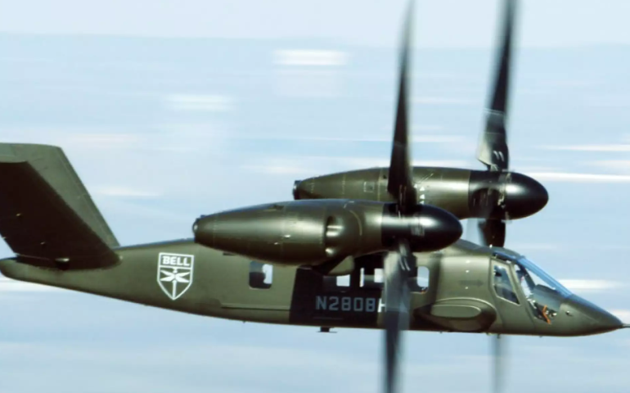
The Osprey would have to overcome a number of procurement hurdles, technical development challenges, and ongoing field operations, maintenance and safety issues, before being accepted as one of the most versatile and hybrid aircraft ever created. After a 35-year history with Osprey, the DoD is planning the production of an all-new next generation tiltrotor aircraft. The Bell MV-75 (formerly known as the V-280 Valor) was heavily influenced by Army requirements, with the intention of using the platform to replace the stalwart CH-60 Blackhawk helicopter. The new aircraft was approved by the Pentagon in October 2022 and is expected to enter service at scale by 2031.
As the only operational tiltrotor aircraft in military service today, the Osprey represents an important frame of reference as the MV-75 Valor moves from prototype into production. This prompts a revisit of some of the questions raised during the original V-22 Osprey procurement process. Was the increased speed, performance, and endurance of Osprey worth the additional cost? To what extent did the urgency to replace legacy helicopter airframes serve as a forcing function? How did the competing objectives of key stakeholders influence the outcome of the decision? What operational lessons of the V-22 Osprey are shaping the design and development of the MV-75 Valor?